Female Alchemy in Internal Alchemy (Neidan)

Female Alchemy in Internal Alchemy (Neidan)

Female Alchemy (Nüdan) is a term in Internal Alchemy (Neidan) studies. Linguistically, it encompasses two meanings: first, it refers to internal alchemy practiced by women; second, it denotes the methods of internal alchemy specifically for women. Since its inception, Taoism has adhered to the principle that the celestial order and the earthly order are inseparable, maintaining that women are also capable of cultivating the Tao to attain immortality. Therefore, in Taoist hagiographies, female immortals account for a considerable number. When Taoist Internal Alchemy emerged, many women engaged in Neidan practices, and a system of internal alchemy methods suitable for women was developed.

The practice of "Female Alchemy" is also known as "Kun Formula" (Kunjue) or "The Way of Refining the Form through Yin Essence" (Taiyin Lianxing Zhi Dao), which is an advanced cultivation method. Sun Buer, one of the "Seven True Disciples of the North" in the Quanzhen School, wrote a book titled Kunjue (The Kun Formula). The book describes the method of "Female Alchemy" as "the steps to ascend to heaven" and "the vessel to rescue the world," demonstrating the high regard that Taoist women held for Female Alchemy cultivation.


Since the Ming and Qing dynasties, women practicing alchemy has become a phenomenon that cannot be ignored. The Daozang Jiyao (Essentials of the Taoist Canon) includes a collection of texts called Collected Works on Female Alchemy (Nüdan Hebian), which contains dozens of documents such as The Scripture of Kunyuan (Kunyuan Jing), Ten Principles of Female Alchemy: The Innate Fruits of the Vessel-Nature (Hutian Xingguo Nüdan Shize), and The Female Golden Elixir (Nü Jindan). These are important materials for studying Female Alchemy.


While Female Alchemy cultivation shares some commonalities with male alchemy practices, it also possesses its own distinctive characteristics.


Female Alchemy in Daoist Practice

道教内丹术中的女丹

Translation: "Female Alchemy in Daoist Internal Cultivation" or "Women's Inner Elixir Practice in Taoism"

Female Alchemy (女丹, Nüdan) represents the specialized branch of Daoist internal cultivation designed specifically for women's unique physiological and energetic nature

Introduction to Female Alchemy

Female Alchemy acknowledges that women's spiritual cultivation differs fundamentally from men's due to distinct physiological processes, energy patterns, and spiritual pathways. This practice emerged as Daoist masters recognized that traditional male-oriented methods required adaptation for optimal female practice.

Key Differences from Male Practice

Energy Centers

Women cultivate from the heart center (middle dantian) first, unlike men who begin with the lower dantian

Menstrual Cultivation

Special practices for menstrual regulation and transforming monthly cycles into spiritual advancement

Female Alchemy Cultivation Process

Stage 1: Regulating the Monthly Flow (调经)
Physical Preparation
  • Menstrual cycle regulation
  • Blood purification practices
  • Reproductive health cultivation
  • Dietary adjustments
Energy Work
  • Heart center activation
  • Breast energy cultivation
  • Emotional balance
  • Yin energy enhancement
Stage 2: Stopping the Red (斩赤龙)
Menstrual Cessation
  • Natural menstruation stopping
  • Energy conservation
  • Blood transformation to qi
  • Hormonal rebalancing
Heart-Kidney Connection
  • Fire-water balance
  • Heart-kidney axis
  • Emotional purification
  • Wisdom cultivation
Stage 3: Cultivating the Spiritual Embryo (养胎)
Inner Child Formation
  • Spiritual embryo development
  • Heart center mastery
  • Divine feminine awakening
  • Intuitive wisdom
Energy Integration
  • Three dantian harmony
  • Yin-yang balance
  • Cosmic connection
  • Maternal energy cultivation
Stage 4: Giving Birth to the Immortal (出神)
Spiritual Birth
  • Immortal spirit emergence
  • Transcendent consciousness
  • Divine feminine realization
  • Cosmic motherhood
Final Integration
  • Union with Dao
  • Immortal body achievement
  • Compassionate wisdom
  • Universal nurturing

Unique Female Practices

Breast Massage (搓乳)

Circular massage techniques to stimulate heart energy and regulate hormones

White Phoenix Circulation

Specific energy pathway unique to female anatomy and energy flow

Menstrual Meditation

Transforming monthly cycles into opportunities for spiritual advancement

Womb Breathing

Specialized breathing techniques focused on the reproductive center

Historical Female Masters

Sun Bu'er (孙不二, 1119-1182)

One of the Seven Masters of Quanzhen, developed systematic female cultivation methods. Known for her teachings on heart-centered practice and the unique aspects of women's spiritual development.

He Xiangu (何仙姑)

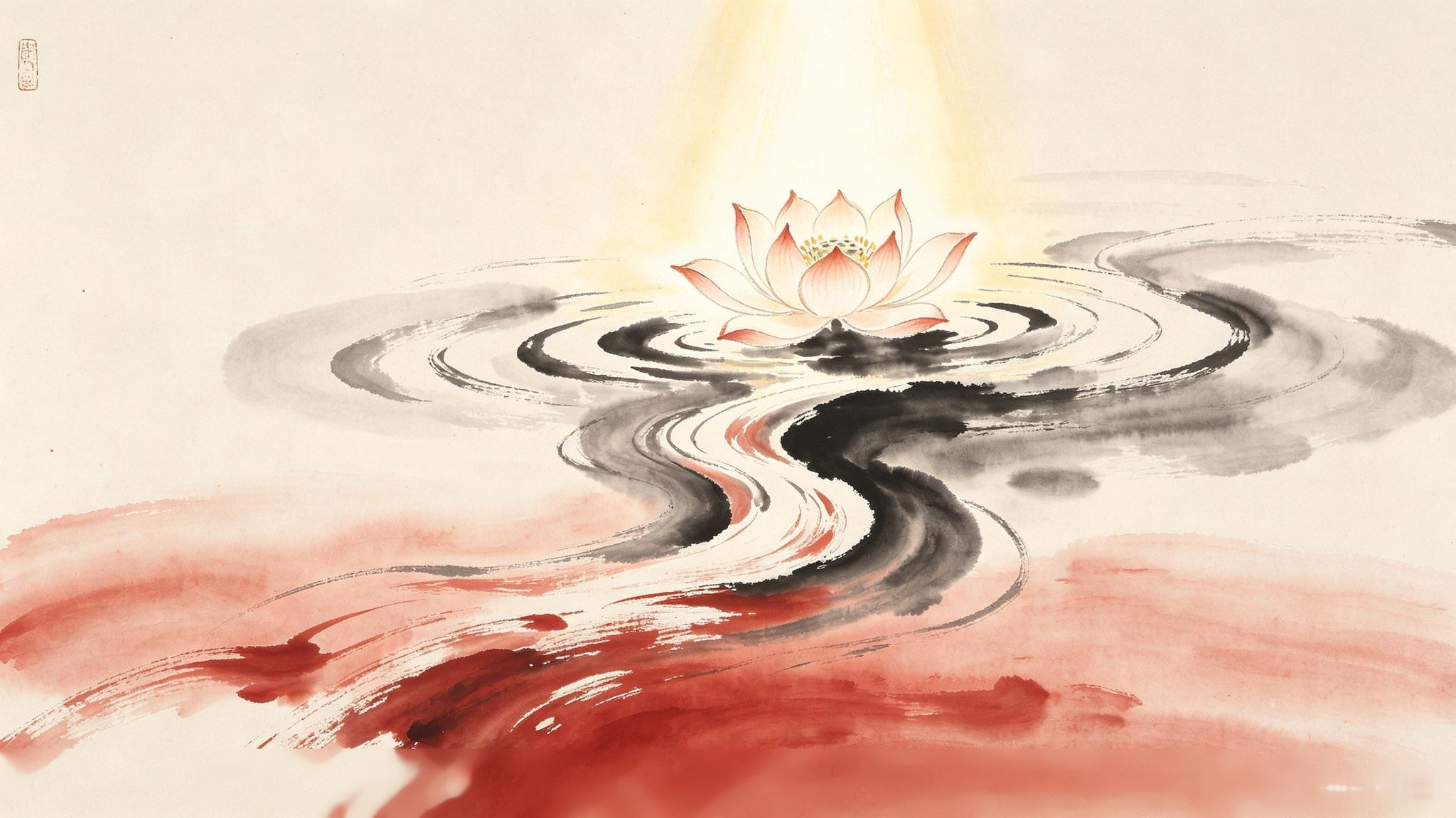
The only female among the Eight Immortals, representing the perfected feminine principle in Daoist tradition. Her lotus flower symbolizes pure spiritual transformation.

Cao Wenyi (曹文逸)

Song Dynasty female alchemist who wrote extensively on women's cultivation practices and the differences between male and female energy work.

Physiological Considerations

Female alchemy recognizes several key physiological differences:

  • Menstrual Energy: Monthly cycles provide natural opportunities for energy cultivation and renewal
  • Heart-Centered Approach: Women's spiritual energy naturally flows from the heart center outward
  • Yin Predominance: Female practice emphasizes cultivating and balancing the naturally abundant yin energy
  • Reproductive Cultivation: Special attention to womb energy and its transformation into spiritual power

Modern Applications

Contemporary female practitioners adapt these ancient methods for:

  • Hormonal balance and menstrual health
  • Fertility and reproductive wellness
  • Menopause transition support
  • Emotional regulation and stress management
  • Spiritual empowerment and feminine wisdom cultivation
"Female alchemy honors the sacred feminine path, recognizing that women's spiritual journey follows its own natural rhythm and cosmic harmony"

Integration with Daily Life

Female alchemy emphasizes practical integration, teaching women to:

  • Use menstrual cycles as spiritual practice opportunities
  • Cultivate nurturing energy without depletion
  • Balance career, family, and spiritual development
  • Transform emotional challenges into wisdom
  • Maintain energetic boundaries while remaining compassionate

Female alchemy represents the complete path for women's spiritual realization, honoring the unique gifts and challenges of the feminine journey toward immortality and enlightenment.

Paul Peng — Zhengyi Taoist Priest, Longhu Mountain

About the Author

Paul Peng

Paul Peng is a Zhengyi Taoist priest from Longhu Mountain, Jiangxi — the ancestral home of the Celestial Masters' tradition. Ordained at 25 after a dream from the Celestial Master, he has practiced for 25 years under Master Zeng Guangliang. He is the curator of this store, which is officially authorized by Tianshi Fu. All items are consecrated at the temple by the resident priest team.

Read his full story →
Back to blog
PREVIOUS ARTICLE
The Grand Penitential Liturgy of the Jade Repository

The Grand Penitential Liturgy of the Jade Repository 太上灵宝玉匮明真大斋忏方仪

Read More
No Next Article

Leave a comment

Related Posts

Dian Zhu Taoist temple hall with incense burner ink painting

Dian Zhu: The Hall Master in Taoist Monastic Administration 殿主

May 09, 2026
by
Paul Peng

Dian Zhu is the Quanzhen Hall Master who maintains temple halls, tends incense lamps, and supervises scripture recitation. As one of the Five Masters, this role transforms cleaning and care into a daily practice of reverence.

Wu Zhe Fa Hui Taoist vast assembly hall with incense ink painting

Wu Zhe Fa Hui: The Non-Obstructive Great Taoist Assembly 无遮法会

May 09, 2026
by
Paul Peng

Wu Zhe Fa Hui is the Taoist assembly open to all without distinction. Adapted from Buddhism during the Liang Dynasty, it became a universal salvation rite in the Lingbao tradition, embodying the principle that the Dao excludes no soul from its reach.

Fa Shi: Taoist Ritual Ceremonies and Liturgical Events

Fa Shi: Taoist Ritual Ceremonies and Liturgical Events

May 09, 2026
by
Paul Peng

Fa Shi is the Taoist term for ritual ceremonies, adopted from Buddhism during the Tang Dynasty and preserved on an 8th-century stone inscription. By the Song, it was standard liturgical vocabulary. At Tianshi Fu, it still designates every performed rite, from grand retreats to blessings for the living.

Zhai Yue Taoist calendar scroll marking fasting months ink painting

Zhai Yue: Taoist Ritual Months and Seasonal Observance 斋月

May 09, 2026
by
Paul Peng

Zhai Yue designates the Taoist calendar's ritual months for fasting and observance. Organized into Three, Six, and Nine tiers, these months align practitioners with the celestial inspection cycles of the Three Officers, bringing spiritual merit and cosmic harmony.

Zhai Zhu Taoist incense table with candleholder ink painting

Zhai Zhu: Taoist Ritual Sponsor & Sacred Host 斋主

May 08, 2026
by
Paul Peng

Zhai Zhu is the Taoist ritual sponsor who commissions zhai jiao ceremonies and participates in rites alongside priests. Sincere intention is essential for spiritual efficacy in Zhengyi tradition.

Zhai Shi Taoist sundial casting shadow at noon ink painting

Zhai Shi: Taoist Ritual Times & Solar Shadow Timing 斋时

May 08, 2026
by
Paul Peng

Zhai Shi refers to Taoist ritual times determined by solar shadow measurement according to the twenty-four solar terms. Correct timing aligns ceremonies with cosmic forces for optimal spiritual efficacy.

Zhai Ri Taoist ancient calendar with solar terms chart ink painting

Zhai Ri: Taoist Fasting Days & Divine Inspections 斋日

May 08, 2026
by
Paul Peng

Zhai Ri are Taoist fasting days when deities inspect conduct. The calendar includes Three, Five, and Ten Zhai Days tied to the Three Officers and cosmic cycles.

Ti Ke Shi Taoist scripture scrolls on desk ink painting

Ti Ke Shi: Quanzhen Liturgy Master & Ordination Role 提科师

May 08, 2026
by
Paul Peng

Ti Ke Shi is the Quanzhen ordination Liturgy Master, overseeing scripture recitation and repentance rituals in the hall. This role differs from the administrative Ti Ke of the 24 Officers.