Refining Emptiness - The Path to Oneness with the Dao

Refining Emptiness - The Path to Oneness with the Dao

Refining Emptiness - The Path to Oneness with the Dao

"Refining Emptiness to Unite with the Dao" in Neidan is the supreme practice of Daoist internal alchemy cultivation. The so-called "refining emptiness to unite with the Dao" also embodies the reverse thinking and the concept of "breaking attachments" in Daoism. From refining essence into qi, to refining qi into spirit, and then from refining qi into spirit to refining spirit to return to emptiness, all follow the thinking mode of regression and restoration.
Daoism holds that when entering the state of emptiness, if there is a clinging mind, it indicates that one has not yet escaped the "active" methods. One should further eliminate the clinging mind, even forgetting emptiness itself without any traces, so as to finally merge into one with the authentic Great Dao.

From the Zhong-Lü Daoist lineage in the Tang Dynasty to all Daoist alchemists in the Ming and Qing dynasties, they have repeatedly emphasized the spirit of "refining emptiness to unite with the Dao". As one of the "Seven Perfected Ones" of the Quanzhen Dao, Qiu Chuji clearly explained this inThe Direct Pointing of the Great Elixir, while Li Daochun referred to it as "breaking through emptiness". The most basic idea of "breaking through emptiness" is to forget all clinging minds to active practices, enabling the self to transcend both the object and the self itself.

Refining Emptiness to Merge with Dao

炼虚合道

Refining Emptiness - The Path to Oneness with the Dao

Liàn Xū Hé Dào

In the profound tradition of Daoist internal alchemy (内丹术, Nèidānshù), the stage of Refining Emptiness to Merge with Dao (炼虚合道) represents the culmination of spiritual cultivation - the complete union of individual consciousness with the primordial Dao. This transcendent practice is the final stage of the alchemical journey, where the practitioner becomes one with the ultimate reality.

Following the stages of Refining Essence into Qi (炼精化气), Refining Qi into Spirit (炼气化神), and Refining Spirit to Return to Emptiness (炼神还虚), this ultimate transformation represents the return to the source of all existence. Ancient texts describe this as "the immortal merges with the great Dao" - the complete transcendence of all dualities.

The Essence of Union

The Alchemical Process

  • Non-Dual Union: Transcending the separation between self and Dao
  • Cosmic Integration: Becoming one with the flow of the universe
  • Spontaneous Functioning: Action without intention or effort
  • Eternal Presence: Existing beyond time and space
  • Boundless Compassion: Universal love as natural expression

Characteristics of Union

  • Wu Wei (無為): Effortless action in harmony with Dao
  • Ziran (自然): Complete spontaneity and naturalness
  • Timeless Awareness: Consciousness beyond past and future
  • Cosmic Embodiment: The universe manifesting as the individual
  • Divine Playfulness: Joyful engagement with the world of form

The Four Stages of Union

🌌

Dissolution

Dissolving the last vestiges of separate self

🌀

Expansion

Expanding to embrace the entire cosmos

Illumination

Realizing the luminous nature of reality

♾️

Integration

Living as Dao in the world of form

"The highest attainment is no-attainment; the greatest realization is no-realization. When one merges with Dao, there is no self to cultivate and no Dao to merge with."

- Laozi, Dao De Jing (6th Century BCE)

Symbols of Union

Yin-Yang
Wuji
Qian (Heaven)
Kun (Earth)

Essential Practices

Meditative Approaches

  • Non-Meditation: The practice beyond practice
  • Formless Samadhi: Absorption without focus
  • Cosmic Embodiment: Becoming the universe
  • Spontaneous Presence: Being without intention

Philosophical Insights

  • Emptiness of Self: No separate identity
  • Non-Attachment: Freedom from all concepts
  • Suchness: Reality as it is, without interpretation
  • Cosmic Perspective: Seeing from the view of Dao

Traditional vs. Modern Understanding

Classical Interpretation

  • Union with the primordial Dao
  • Dissolution of spiritual identity
  • Complete transcendence of self
  • Return to the undifferentiated source
  • Non-dual awareness
  • Spontaneous perfection

Contemporary Interpretation

  • Cosmic consciousness
  • Ego transcendence
  • Quantum field unity
  • Pure presence
  • Non-local awareness
  • Interconnected being

The Ultimate Realization

Characteristics

  • No-Mind: Thought without thinker
  • No-Self: Action without actor
  • No-Attainment: Being without becoming
  • Spontaneous Functioning: Perfect action without intention
  • Cosmic Play: Life as expression of Dao

Manifestations

  • Boundless Compassion: Natural expression of unity
  • Timeless Wisdom: Insight beyond knowledge
  • Effortless Power: Influence without force
  • Divine Playfulness: Joyful engagement with life
  • Universal Healing: Harmonizing energy fields

"The perfected person rides on the truth of heaven and earth, harnesses the transformation of the six energies, and wanders without end in the realm of infinity. What need have they of deliberate action?"

- Zhuangzi, The Book of Nanhua (4th Century BCE)

The journey of refining emptiness to merge with Dao represents the culmination of Daoist spiritual alchemy, where the practitioner becomes the living embodiment of the primordial Dao.

Paul Peng — Zhengyi Taoist Priest, Longhu Mountain

About the Author

Paul Peng

Paul Peng is a Zhengyi Taoist priest from Longhu Mountain, Jiangxi — the ancestral home of the Celestial Masters' tradition. Ordained at 25 after a dream from the Celestial Master, he has practiced for 25 years under Master Zeng Guangliang. He is the curator of this store, which is officially authorized by Tianshi Fu. All items are consecrated at the temple by the resident priest team.

Read his full story →
Back to blog
PREVIOUS ARTICLE
The Grand Penitential Liturgy of the Jade Repository

The Grand Penitential Liturgy of the Jade Repository 太上灵宝玉匮明真大斋忏方仪

Read More
No Next Article

Leave a comment

Related Posts

Gazetteer of Longhu Mountain

Gazetteer of Longhu Mountain 龙虎山志

Mar 11, 2026
by
paulpeng

Gazetteer of Longhu Mountain: A 1740 Qing-era compendium by Daoist master Lou Jinheng, documenting imperial patronage, sacred geography, Tianshi lineage (1st–55th), monastic institutions, and centuries of Daoist texts—essential for understanding Zhengyi Daoism’s heartland.

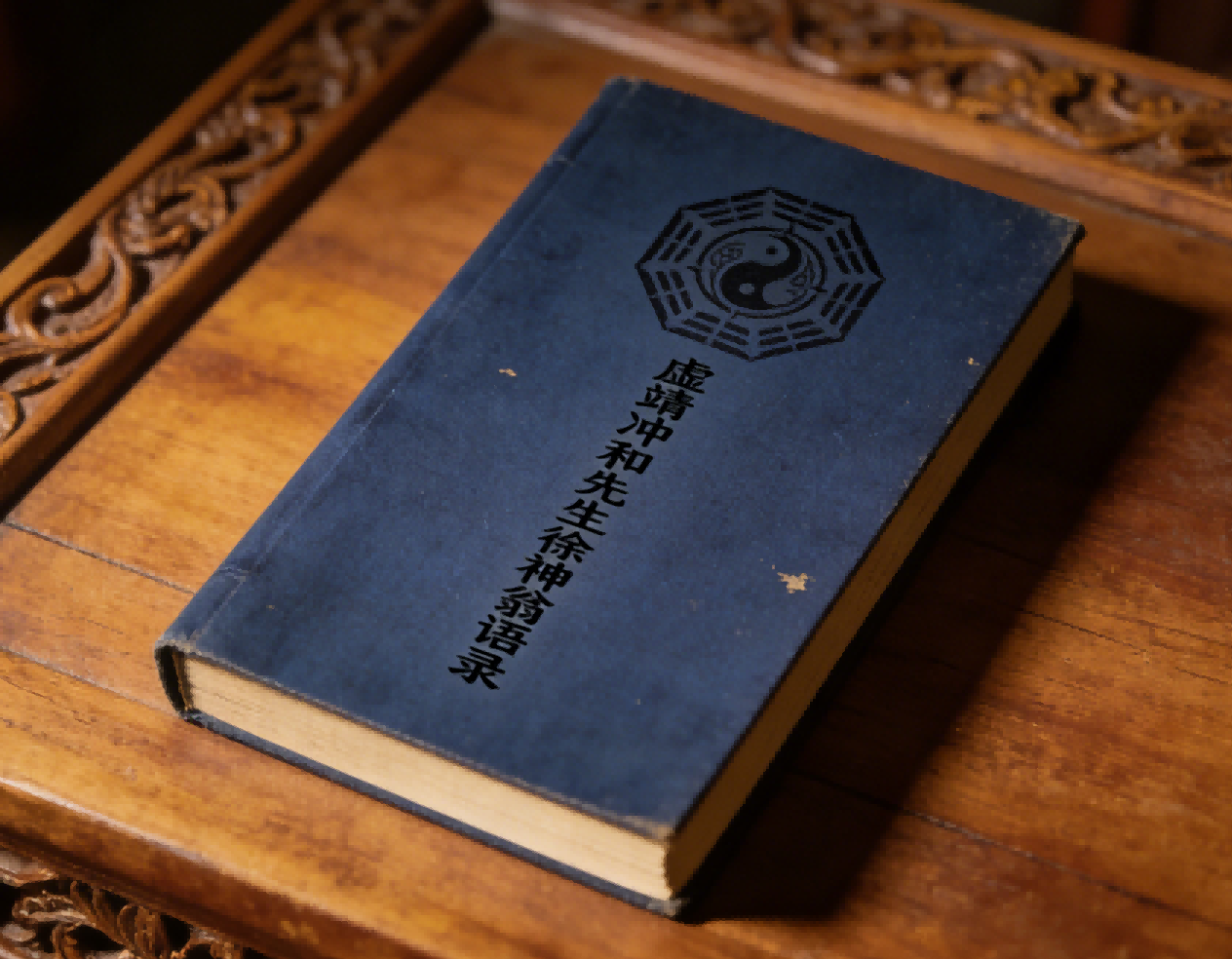
Records of Master Xu Shenweng

Records of Master Xu Shenweng 虚靖冲和先生徐神翁语录

Mar 11, 2026
by
paulpeng

Records of Master Xu Shenweng: Compiled in 1187 by Zhu Songqing, this Daozang text chronicles 170+ anecdotes of Xu Shouxin (1032–1108), a humble Taoist seer famed for clairvoyance, later honored by Emperor Huizong as “Master Xu Shenweng” for his uncanny predictions and spiritual purity.

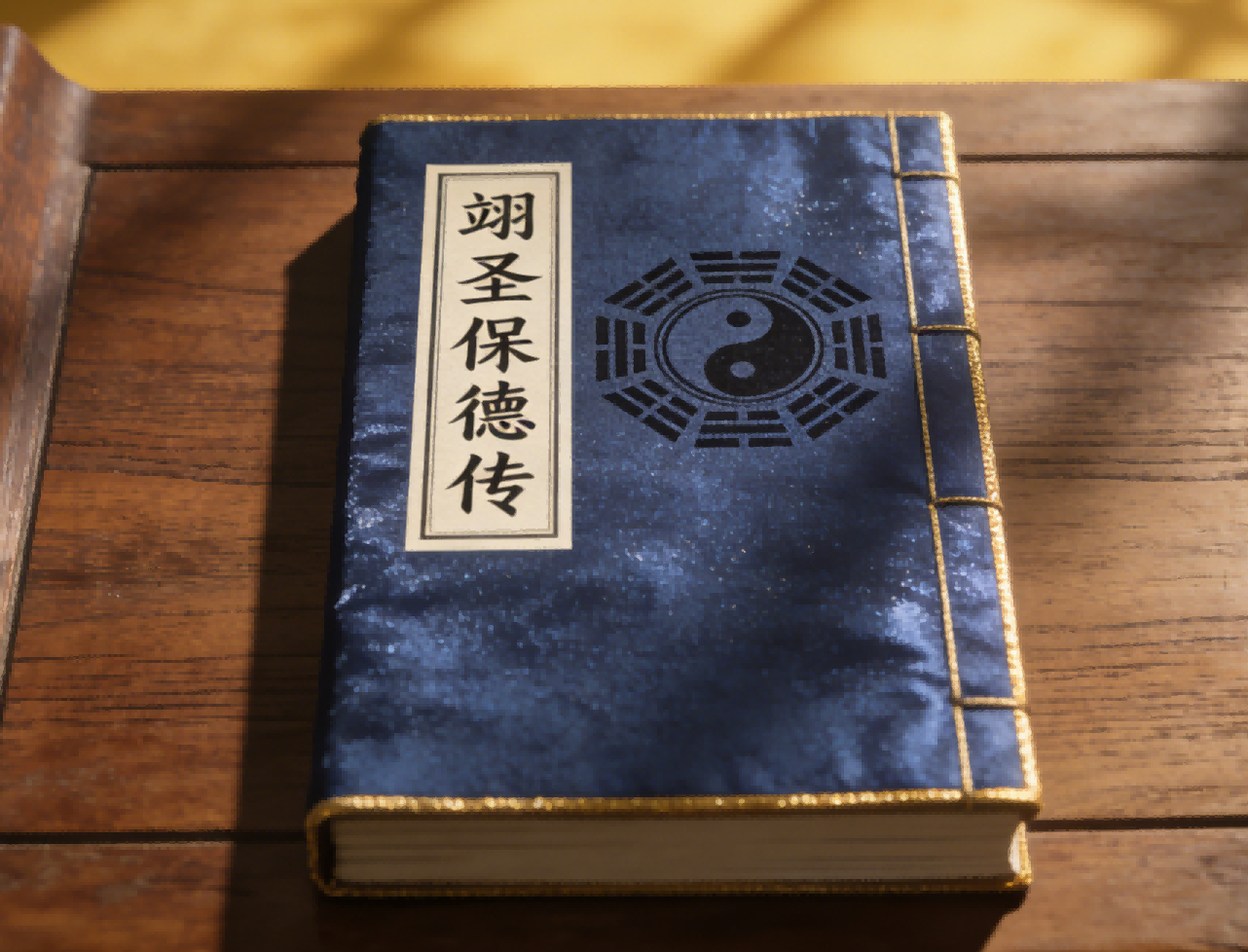
Hagiography of the Sagely Guardian

Hagiography of the Sagely Guardian 翊圣保德传

Mar 11, 2026
by
paulpeng

Hagiography of the Sagely Guardian: Commissioned by Emperor Zhenzong and compiled by Wang Qinruo (c. 1010), this Daozang text recounts the 960 divine apparition of the “Yisheng Zhenjun”—a celestial marshal sent to protect the Song dynasty—revealing state-sponsored Daoist propaganda

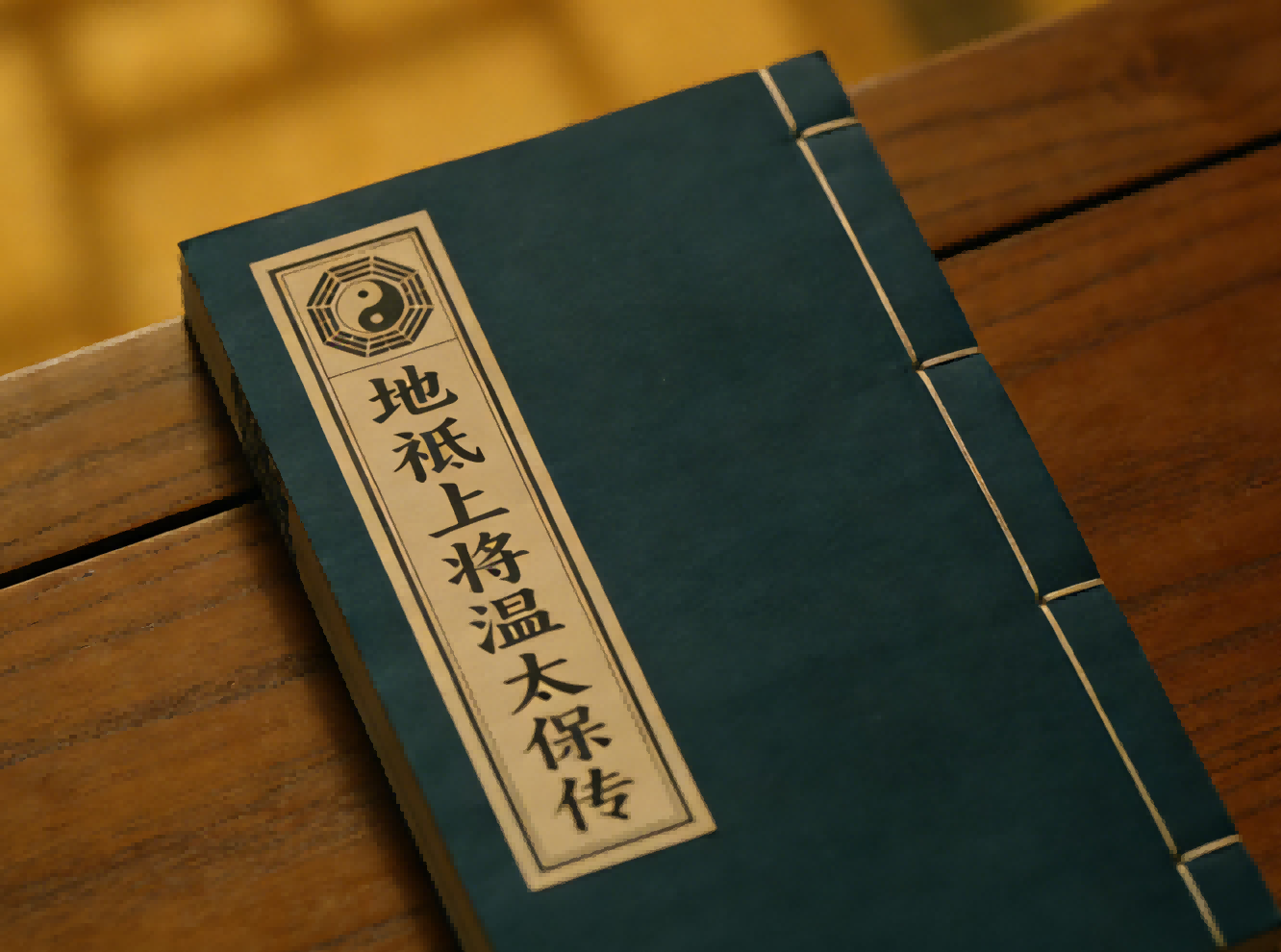
Biography of Grand Protector Wen

Biography of Grand Protector Wen 地祗上将温太保传

Mar 11, 2026
by
paulpeng

Biography of Grand Protector Wen: A Daozang text on Wen Qiong, a Tang warrior turned Dongyue deity, later venerated in Song-era Zhengyi Daoism as commander of ghost armies. Revered for exorcism and plague control, his cult was formalized by Celestial Master Zhang Jixian during the Xuanhe era

Lives of Quanzhen Founders at Zhongnan

Lives of Quanzhen Founders at Zhongnan 终南山祖庭仙真内传

Mar 11, 2026
by
paulpeng

Lives of Quanzhen Founders at Zhongnan: A 3-scroll Daozang text by Li Daoqian, chronicling 37 early Quanzhen masters—from Wang Chongyang’s companions to second-generation disciples—highlighting Three Teachings unity and inner cultivation in Zhongnan Mountain’s cradle of Quanzhen Daoism

Chronological Records of the Seven Perfected

Chronological Records of the Seven Perfected 七真年谱

Mar 11, 2026
by
paulpeng

Chronological Records of the Seven Perfected: Compiled in 1271 by Li Daoqian, this Daozang text chronicles 116 years of Quanzhen history—from Wang Chongyang’s birth (1112) to Qiu Chuji’s death (1227)—detailing the lives, missions, and writings of the founder and his seven disciples.

Lives and Images of the Quanzhen Patriarchs

Lives and Images of the Quanzhen Patriarchs 金莲正宗记仙源像传

Mar 11, 2026
by
paulpeng

Lives and Images of the Quanzhen Patriarchs: A 1327 Daoist compendium by Xie Xichan and Liu Zhixuan, featuring imperial edicts honoring Qiu Chuji and the Five Patriarchs & Seven Masters, each with portrait, biography, and praise—preserved in the Daozang as a key Quanzhen lineage record.

The Earliest History of Quanzhen Taoism

The Earliest History of Quanzhen Taoism 金莲正宗记

Mar 11, 2026
by
paulpeng

The Earliest History of Quanzhen Taoism: Compiled in 1241 by Qin Zhi’an, this five-scroll Daozang text profiles 14 patriarchs—from Donghua to the Seven Masters—with biographies and hymns, blending history and myth.