
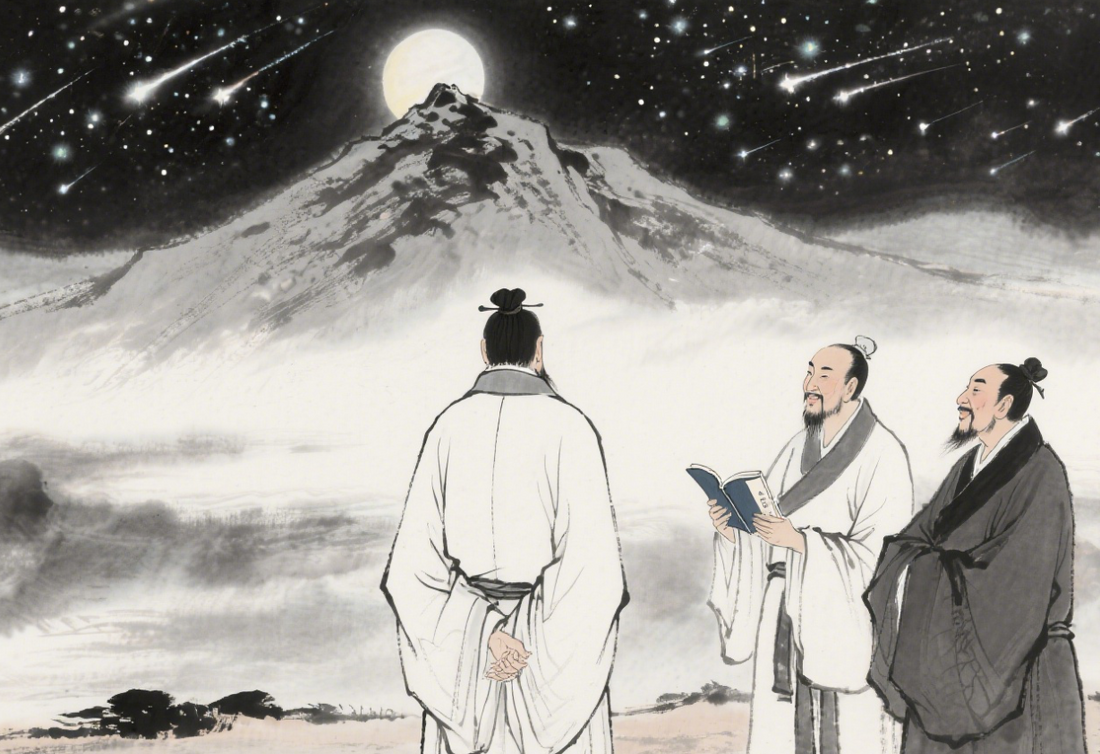
Liu Yuanran (刘渊然): Gründer der Changchun-Sekte und taoistischer Führer der Ming-Dynastie
Paul PengAktie

Der daoistische Pfad: Unser Verständnis unserer Tradition
Grundlegende Prinzipien, nach denen wir leben
Die Grundlage unserer Praxis ruht auf mehreren Säulen, die unzählige Generationen geleitet haben:
Wu Wei (無為) – Oft als „Nichtstun“ missverstanden, lehrt dieses Prinzip uns tatsächlich, in Harmonie mit dem natürlichen Fluss zu handeln, anstatt unseren Willen der Welt aufzuzwingen. Wie Wasser, das mühelos seinen Weg um Hindernisse findet, lernen wir zu reagieren, anstatt zu reagieren.
Yin-Yang-Balance (陰陽) – Alles enthält sein Gegenteil, und Weisheit liegt darin, dieses dynamische Zusammenspiel zu erkennen. Gesundheit, Harmonie und spiritueller Fortschritt entstehen aus dem Ausgleich dieser komplementären Kräfte in uns selbst und unserer Umwelt.
Ziran (自然) – Natürlichkeit oder Spontaneität. Wir kultivieren einen Zustand, in dem unsere Handlungen aus unserer authentischen Natur entstehen und nicht aus künstlicher Konditionierung.
Traditionelle Praktiken und Disziplinen
Unsere tägliche Kultivierung umfasst mehrere Dimensionen:
| Kategorie der Praxis | Methoden | Zweck |
|---|---|---|
| Innere Alchemie (內丹) | Meditation, Atemübungen, Energiezirkulation | Qi verfeinern, spirituelle Transformation erreichen |
| Äußere Alchemie (外丹) | Kräutermedizin, Mineralpräparate | Unterstützung der körperlichen Gesundheit und Langlebigkeit |
| Bewegungskünste | Taiji, Qigong, daoistisches Yoga | Harmonisierung von Körper und Geist |
| Wissenschaftliches Studium | Klassische Texte, Poesie, Kalligraphie | Kultivierung von Weisheit und kultureller Verfeinerung |
| Rituelle Praxis | Zeremonien, Opfergaben, Gemeinschaftsdienst | Aufrechterhaltung der Verbindung zum Göttlichen und zur Gesellschaft |
Das Klosterleben und moderne Anpassung
In traditionellen Bergklöstern stehen wir vor Sonnenaufgang auf, um das Qi des neuen Tages zu begrüßen. Unser Tagesablauf folgt natürlichen Rhythmen – Meditation bei Sonnenaufgang, Studium in den Morgenstunden, wenn der Geist klar ist, körperliche Praxis am Nachmittag und Kontemplation, wenn der Abend naht.
Doch der Weg passt sich allen Umständen an. Moderne Daoisten können in Städten leben, regelmäßigen Berufen nachgehen und Familien gründen, während sie ihre spirituelle Praxis aufrechterhalten. Der Schlüssel liegt nicht in äußeren Umständen, sondern in der inneren Kultivierung.
Historischer Kontext und Linien
Große daoistische Schulen
Unsere Tradition umfasst mehrere Hauptzweige, die jeweils unterschiedliche Aspekte des Weges betonen:
Quanzhen-Schule (全真派) – „Vollkommene Vollendung“
- Gegründet im 12. Jahrhundert
- Betont innere Alchemie und zölibatäres Mönchtum
- Wichtige Zentren am Berg Hua und am Berg Wudang
Zhengyi-Schule (正一派) – „Orthodoxe Einheit“
- Führt ihre Linie auf Zhang Daoling (2. Jahrhundert n. Chr.) zurück
- Erbpriestertum, Heirat erlaubt
- Stark in ritueller Praxis und Gemeinschaftsdienst
Volksdaoistische Traditionen
- Lokale Praktiken, integriert mit daoistischen Prinzipien
- Schwerpunkt auf Heilung, Weissagung und Gemeinwohl
- Variiert stark je nach Region
Klassische Texte, die wir studieren
Unsere Weisheitstradition ist in zahlreichen Texten überliefert, die jeweils einzigartige Einsichten bieten:
| Text | Autor/Periode | Fokus |
|---|---|---|
| Dao De Jing (道德經) | Laozi (6. Jahrhundert v. Chr.) | Grundprinzipien des Dao |
| Zhuangzi (莊子) | Zhuangzi (4. Jahrhundert v. Chr.) | Philosophie durch Geschichten und Paradoxa |
| I Ging (易經) | Verschiedene (antik) | Weissagung und kosmische Muster |
| Taiping Jing (太平經) | Han-Dynastie | Soziale Harmonie und Regierungsführung |
| Geheimnis der Goldenen Blüte | Mittelalter | Praktiken der inneren Alchemie |
Praktische Weisheit für das tägliche Leben
Gesundheit und Langlebigkeit kultivieren
Wir verstehen Gesundheit als den harmonischen Fluss des Qi durch das Meridian-System des Körpers. Krankheiten entstehen durch Blockaden oder Ungleichgewichte, denen wir begegnen durch:
- Ernährungstherapie, die saisonalen Rhythmen und individueller Konstitution folgt
- Kräutermedizin, die natürliche Substanzen zur Wiederherstellung des Gleichgewichts verwendet
- Akupunktur und Massage zur Regulierung des Qi-Flusses
- Meditation und Atmung zur Beruhigung des Geistes und Stärkung der Lebensessenz
Philosophischer Ansatz zu modernen Herausforderungen
In unserer sich schnell verändernden Welt bietet alte Weisheit praktische Orientierung:
Zu Stress und Angst: Wie ein Baum, der sich im Wind biegt, anstatt zu brechen, lernen wir Flexibilität statt Starrheit. Probleme lösen sich oft auf natürliche Weise, wenn wir aufhören, Lösungen zu erzwingen.
Zu Beziehungen: Das Verständnis, dass alle Wesen ihre eigene Natur haben, hindert uns daran, andere ändern zu wollen. Stattdessen konzentrieren wir uns auf unsere eigene Kultivierung und reagieren mit Mitgefühl.
Zum materiellen Erfolg: Reichtum und Status sind an sich weder gut noch schlecht. Die Frage ist, ob sie unserem wahren Wohl dienen oder zu Hindernissen für den inneren Frieden werden.
Missverständnisse und Klarstellungen
Viele westliche Besucher kommen mit Vorstellungen an, die von populären Medien oder New-Age-Interpretationen geprägt sind. Erlauben Sie mir, einige häufige Missverständnisse zu klären:
Wir ziehen uns nicht von der Welt zurück – Wahre Daoisten engagieren sich aktiv in der Gesellschaft, während sie ihr inneres Gleichgewicht bewahren. Viele historische Daoisten dienten als Berater von Herrschern oder trugen zu Kunst und Wissenschaft bei.
Unsere Praktiken sind keine Realitätsflucht – Meditation und Kultivierung verbessern unsere Fähigkeit, geschickt mit den Herausforderungen des Lebens umzugehen, nicht sie zu vermeiden.
Daoismus ist nicht passiv – Wu wei erfordert große Geschicklichkeit und Bewusstsein. Wie ein Meister der Kampfkunst, der Gegner mit minimalem Aufwand besiegt, lernen wir, mit maximaler Effektivität und minimaler Verschwendung zu handeln.
Der Weg nach vorne
Die Reise jedes Menschen mit dem Dao ist einzigartig. Einige fühlen sich vom philosophischen Studium angezogen, andere von Meditation und innerer Kultivierung, wieder andere von Dienst und ritueller Praxis. Alle Wege können zu Verständnis führen, wenn sie mit Aufrichtigkeit und Geduld verfolgt werden.
Die Essenz bleibt konstant: Lernen, in Harmonie mit der natürlichen Ordnung zu leben, unsere authentische Natur zu kultivieren und durch unsere individuelle Transformation dem größeren Wohl zu dienen.
Möge Ihr Weg von der Weisheit der Zeitalter erleuchtet werden und mögen Sie im Dao sowohl Frieden für sich selbst als auch Segen für alle Wesen finden.
Teil der Serie
Dieser Artikel ist Teil unseres umfassenden Leitfadens, der alle zentralen daoistischen Philosophien, Konzepte und Praktiken behandelt – kuratiert aus der klassischen Enzyklopädie des Daoismus.
Vollständigen Leitfaden ansehen → ✦ Alle Themen erkunden
About the Author
Paul Peng
Paul Peng is a Zhengyi Taoist priest from Longhu Mountain, Jiangxi — the ancestral home of the Celestial Masters' tradition. Ordained at 25 after a dream from the Celestial Master, he has practiced for 25 years under Master Zeng Guangliang. He is one of the curators of this store, which is officially authorized by Tianshi Fu. All items are consecrated at the temple by the resident priest team.
Read his full story →


