Refining Emptiness - The Path to Oneness with the Dao

Refining Emptiness - The Path to Oneness with the Dao

Refining Emptiness - The Path to Oneness with the Dao

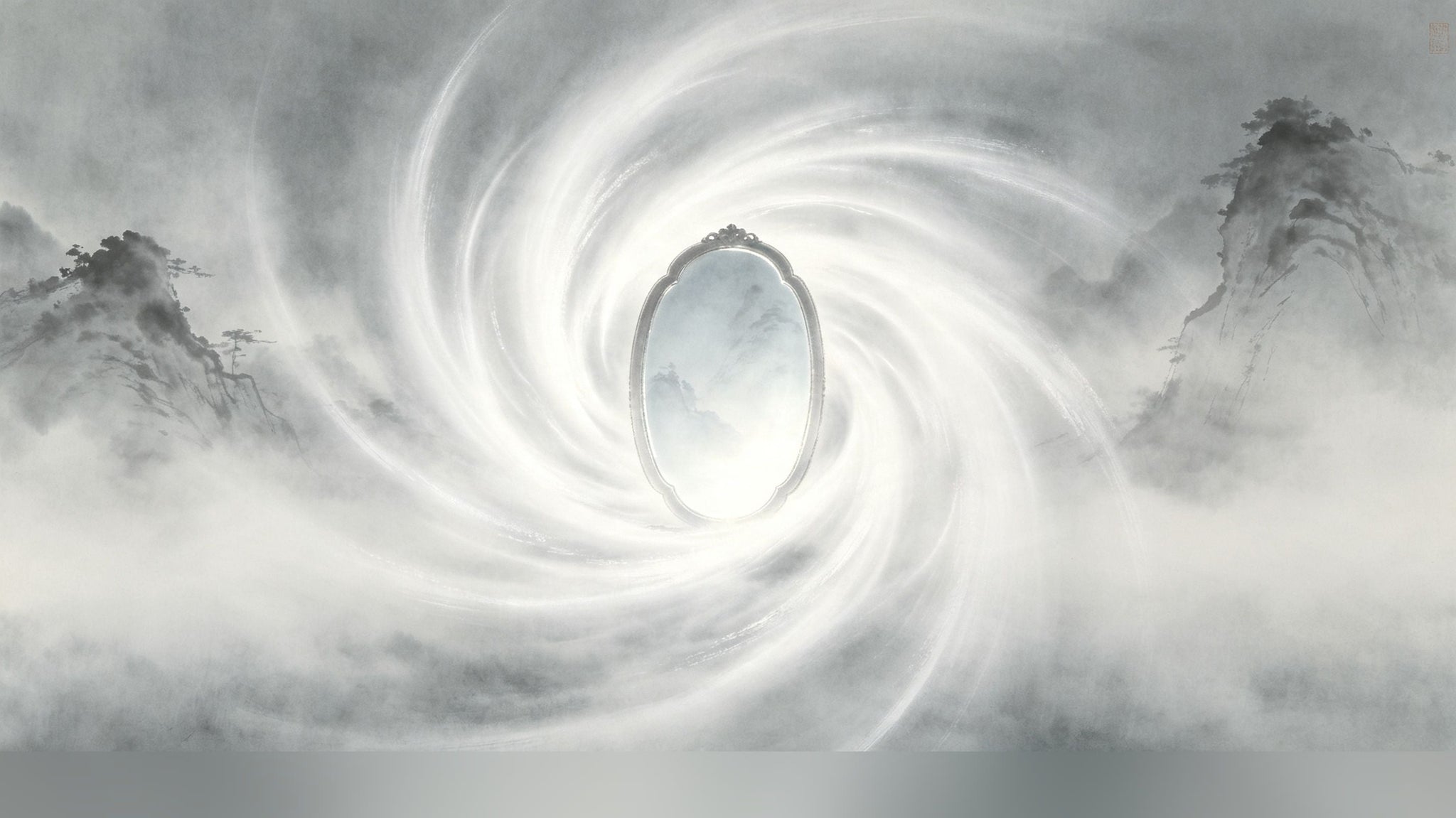
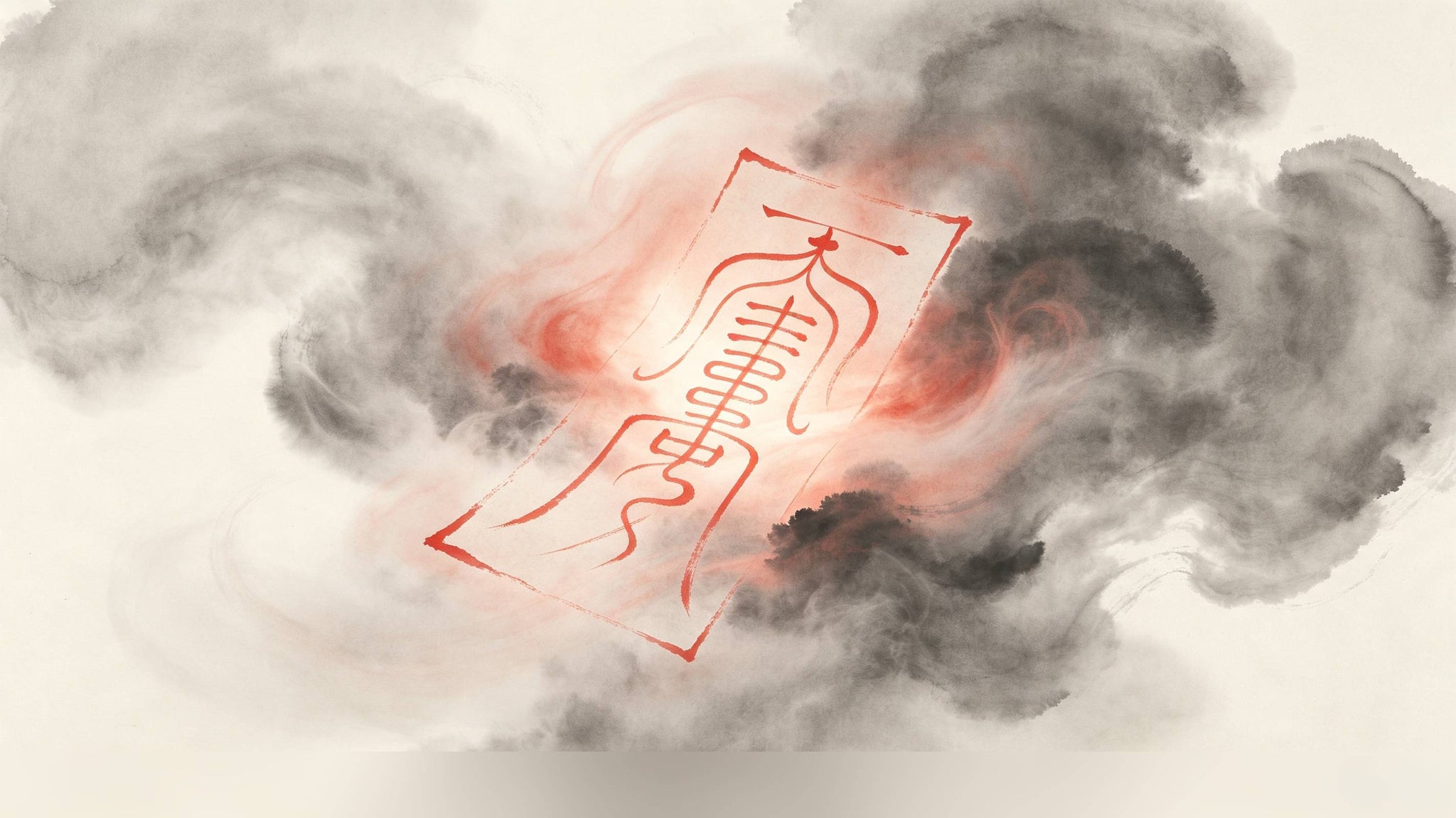
"Refining Emptiness to Unite with the Dao" in Neidan is the supreme practice of Daoist internal alchemy cultivation. The so-called "refining emptiness to unite with the Dao" also embodies the reverse thinking and the concept of "breaking attachments" in Daoism. From refining essence into qi, to refining qi into spirit, and then from refining qi into spirit to refining spirit to return to emptiness, all follow the thinking mode of regression and restoration.
Daoism holds that when entering the state of emptiness, if there is a clinging mind, it indicates that one has not yet escaped the "active" methods. One should further eliminate the clinging mind, even forgetting emptiness itself without any traces, so as to finally merge into one with the authentic Great Dao.

From the Zhong-Lü Daoist lineage in the Tang Dynasty to all Daoist alchemists in the Ming and Qing dynasties, they have repeatedly emphasized the spirit of "refining emptiness to unite with the Dao". As one of the "Seven Perfected Ones" of the Quanzhen Dao, Qiu Chuji clearly explained this inThe Direct Pointing of the Great Elixir, while Li Daochun referred to it as "breaking through emptiness". The most basic idea of "breaking through emptiness" is to forget all clinging minds to active practices, enabling the self to transcend both the object and the self itself.

Refining Emptiness to Merge with Dao

炼虚合道

Refining Emptiness - The Path to Oneness with the Dao

Liàn Xū Hé Dào

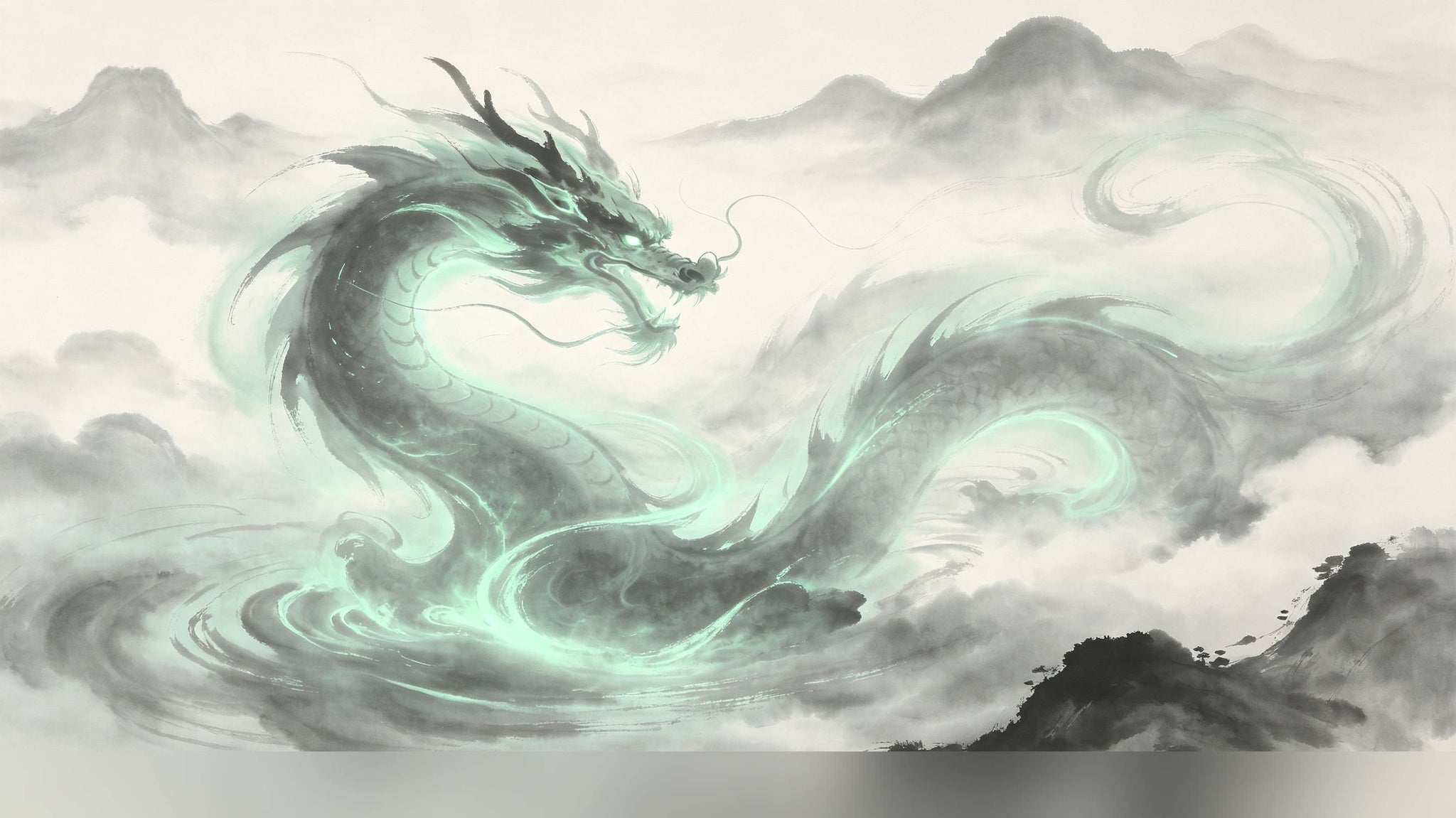
In the profound tradition of Daoist internal alchemy (内丹术, Nèidānshù), the stage of Refining Emptiness to Merge with Dao (炼虚合道) represents the culmination of spiritual cultivation - the complete union of individual consciousness with the primordial Dao. This transcendent practice is the final stage of the alchemical journey, where the practitioner becomes one with the ultimate reality.

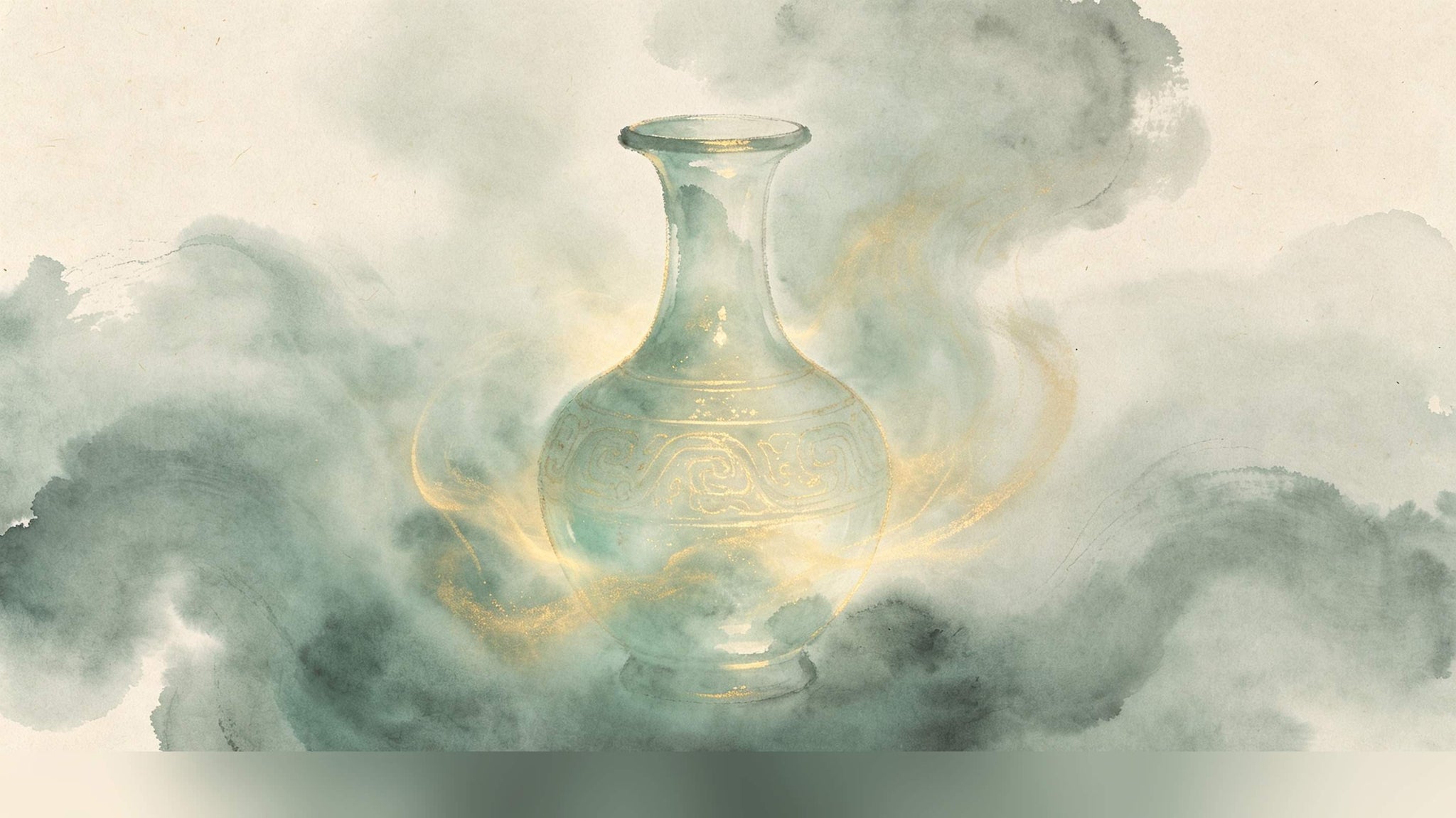
Following the stages of Refining Essence into Qi (炼精化气), Refining Qi into Spirit (炼气化神), and Refining Spirit to Return to Emptiness (炼神还虚), this ultimate transformation represents the return to the source of all existence. Ancient texts describe this as "the immortal merges with the great Dao" - the complete transcendence of all dualities.

The Essence of Union

The Alchemical Process

  • Non-Dual Union: Transcending the separation between self and Dao
  • Cosmic Integration: Becoming one with the flow of the universe
  • Spontaneous Functioning: Action without intention or effort
  • Eternal Presence: Existing beyond time and space
  • Boundless Compassion: Universal love as natural expression

Characteristics of Union

  • Wu Wei (無為): Effortless action in harmony with Dao
  • Ziran (自然): Complete spontaneity and naturalness
  • Timeless Awareness: Consciousness beyond past and future
  • Cosmic Embodiment: The universe manifesting as the individual
  • Divine Playfulness: Joyful engagement with the world of form

The Four Stages of Union

🌌

Dissolution

Dissolving the last vestiges of separate self

🌀

Expansion

Expanding to embrace the entire cosmos

Illumination

Realizing the luminous nature of reality

♾️

Integration

Living as Dao in the world of form

"The highest attainment is no-attainment; the greatest realization is no-realization. When one merges with Dao, there is no self to cultivate and no Dao to merge with."

- Laozi, Dao De Jing (6th Century BCE)

Symbols of Union

Yin-Yang
Wuji
Qian (Heaven)
Kun (Earth)

Essential Practices

Meditative Approaches

  • Non-Meditation: The practice beyond practice
  • Formless Samadhi: Absorption without focus
  • Cosmic Embodiment: Becoming the universe
  • Spontaneous Presence: Being without intention

Philosophical Insights

  • Emptiness of Self: No separate identity
  • Non-Attachment: Freedom from all concepts
  • Suchness: Reality as it is, without interpretation
  • Cosmic Perspective: Seeing from the view of Dao

Traditional vs. Modern Understanding

Classical Interpretation

  • Union with the primordial Dao
  • Dissolution of spiritual identity
  • Complete transcendence of self
  • Return to the undifferentiated source
  • Non-dual awareness
  • Spontaneous perfection

Contemporary Interpretation

  • Cosmic consciousness
  • Ego transcendence
  • Quantum field unity
  • Pure presence
  • Non-local awareness
  • Interconnected being

The Ultimate Realization

Characteristics

  • No-Mind: Thought without thinker
  • No-Self: Action without actor
  • No-Attainment: Being without becoming
  • Spontaneous Functioning: Perfect action without intention
  • Cosmic Play: Life as expression of Dao

Manifestations

  • Boundless Compassion: Natural expression of unity
  • Timeless Wisdom: Insight beyond knowledge
  • Effortless Power: Influence without force
  • Divine Playfulness: Joyful engagement with life
  • Universal Healing: Harmonizing energy fields

"The perfected person rides on the truth of heaven and earth, harnesses the transformation of the six energies, and wanders without end in the realm of infinity. What need have they of deliberate action?"

- Zhuangzi, The Book of Nanhua (4th Century BCE)

The journey of refining emptiness to merge with Dao represents the culmination of Daoist spiritual alchemy, where the practitioner becomes the living embodiment of the primordial Dao.

Paul Peng — Zhengyi Taoist Priest, Longhu Mountain

About the Author

Paul Peng

Paul Peng is a Zhengyi Taoist priest from Longhu Mountain, Jiangxi — the ancestral home of the Celestial Masters' tradition. Ordained at 25 after a dream from the Celestial Master, he has practiced for 25 years under Master Zeng Guangliang. He is the curator of this store, which is officially authorized by Tianshi Fu. All items are consecrated at the temple by the resident priest team.

Read his full story →
Back to blog
PREVIOUS ARTICLE
The Grand Penitential Liturgy of the Jade Repository

The Grand Penitential Liturgy of the Jade Repository 太上灵宝玉匮明真大斋忏方仪

Read More
No Next Article

Leave a comment

Related Posts

Meditation cushion in a quiet hall with incense smoke in ink wash style, representing the Jingzhu meditation hall in Taoist monastic tradition

Jingzhu (静主) : Quanzhen Meditation Master & Guardian of Stillness

May 17, 2026
by
Paul Peng

Jingzhu is the Quanzhen Meditation Master who oversees the meditation hall and guides seated cultivation. The classical sources require one who “does not engage in idle talk”—a master whose silence stills all others, whose presence is itself the deepest teaching.

Ancient monastery gate with heavy wooden doors and bronze lock in ink wash style, representing the Mentou gate keeper role in Taoist monasteries

Mentou(门头): Quanzhen Gatekeeper & Guardian of the Sacred Threshold

May 17, 2026
by
Paul Peng

Mentou is the Quanzhen Gatekeeper who controls access to the monastery, inspecting all persons and items entering or leaving, and ensures the gate is never opened at night without authorization. Dereliction means expulsion.

Ancient bronze bell suspended in mountain mist, representing the Zhongtou bell striking role in Taoist monastic timekeeping

Zhongtou(钟头): Quanzhen Bell Master & Sacred Timekeeper

May 17, 2026
by
Paul Peng

Zhongtou is the Quanzhen Bell Master who strikes the monastery's large bell to mark daily meditation periods. While ringing, he recites the Bell Gatha—each toll a voiced prayer that the sound may reach and liberate all beings.

Dao Lu Si Taoist imperial office document with official seal ink painting

Dao Lu Si: Ming Dynasty Central Taoist Registry 道录司

May 16, 2026
by
Paul Peng

Dao Lu Si (道录司) was the Ming Dynasty's central government office for Taoist affairs, established in 1382. As apex of a three-tier system, its hierarchy included the rank of Zhengyi, reflecting Tianshi Fu's privileged position within the imperial religious administration.

Dao Zhi Shi Taoist duty tablet on monastery desk ink painting

Dao Zhi Shi: Quanzhen Ordination Duty Inspector 道值师

May 16, 2026
by
Paul Peng

Dao Zhi Shi (道値师) is the Quanzhen ordination officer who receives the daily duty tablet from the Abbot and inspects all dormitories. Operating outside the ritual platform, this role enforces discipline in the spaces between ceremonies.

Tie Ku Taoist storehouse shelves with inventory ink painting

Tie Ku: Quanzhen Assistant Storekeeper & Inventory Keeper 贴库

May 16, 2026
by
Paul Peng

Tie Ku (贴库) is the Quanzhen Assistant Storekeeper, serving under the Storehouse Head to manage daily inventory records. Wang Chengya’s Encyclopedia defines the role as accounting for all incoming and outgoing supplies — every ledger entry a small act of stewardship.

Zheng Meng Shi Taoist ordination platform with incense burner ink painting

Zheng Meng Shi: Quanzhen Certification & Doctrine Master 证盟师

May 16, 2026
by
Paul Peng

Zheng Meng Shi (证盟师) is one of the Eight Great Masters of the Quanzhen ordination platform, teaching candidates both scriptural meaning and ritual protocols. Distinct from the movement-focused Yan Li Shi, this role integrates intellectual understanding with embodied practice.

Cha Tou Taoist tea set with boiling kettle ink painting

Cha Tou: Quanzhen Tea Master & Early Morning Fire Keeper 茶头

May 16, 2026
by
Paul Peng

Cha Tou (茶头) is the Quanzhen Tea Master, one of the Eighteen Heads, rising before dawn to boil water and sealing the fire at night. The San Cheng Ji Yao describes a daily rhythm of diligence and reverence — water and fire transformed into offering.