
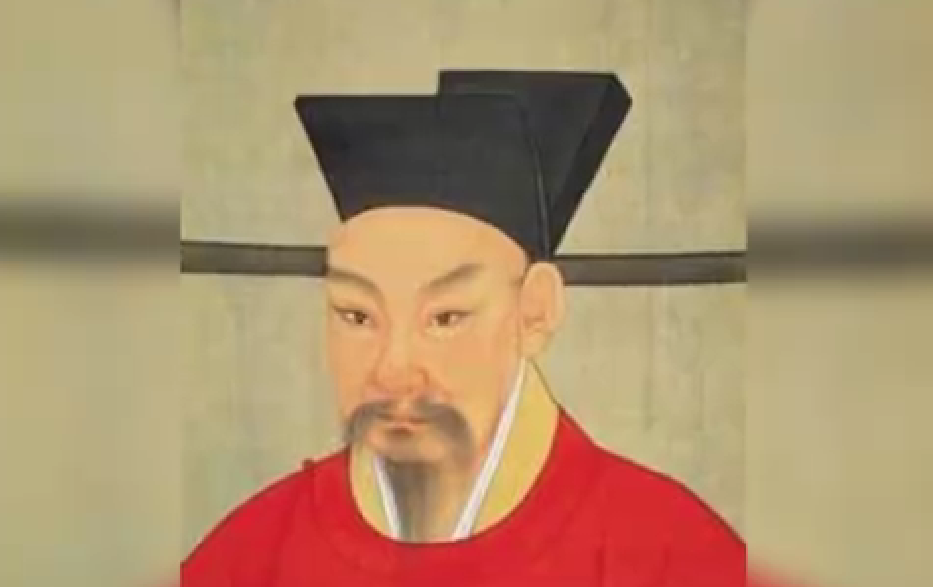
Xia Yuanding (夏元鼎) – Der taoistische Meister: Eine Reise durch uralte Weisheit
Paul PengAktie

Was bedeutet es, ein Daoshi zu sein?
In unserer Tradition ist ein Daoshi weit mehr als das, was Westler vielleicht als „Priester“ oder „Mönch“ bezeichnen würden. Wir sind:
| Rolle | Beschreibung | Zweck |
|---|---|---|
| Kultivierender | Einer, der die drei Schätze (Jing, Qi, Shen) verfeinert | Persönliche Transformation und Erleuchtung |
| Heiler | Praktizierender der traditionellen chinesischen Medizin | Wiederherstellung der Harmonie zwischen Körper und Natur |
| Ritualmeister | Leiter von Zeremonien und Riten | Aufrechterhaltung des kosmischen Gleichgewichts |
| Gelehrter | Student klassischer Texte und Philosophie | Bewahrung alter Weisheit |
| Alchemist | Praktizierender der inneren und äußeren Alchemie | Erreichung der Unsterblichkeit durch Transformation |
Die Grundlagen der taoistischen Praxis
Die Lehren von Meister Xia Yuanding wurzelten in diesen grundlegenden Prinzipien:
Die drei Schätze (San Bao 三宝)
- Jing (精) – Essenz, die verfeinerte physische Energie
- Qi (气) – Vitale Energie, die durch alle Lebewesen fließt
- Shen (神) – Geist, das göttliche Bewusstsein im Inneren
Die fünf Elemente (Wu Xing 五行)
Unser Verständnis der Existenz fließt durch den ewigen Tanz von fünf Elementarkräften:
| Element | Jahreszeit | Organ | Emotion | Richtung |
|---|---|---|---|---|
| Holz (木) | Frühling | Leber | Wut | Osten |
| Feuer (火) | Sommer | Herz | Freude | Süden |
| Erde (土) | Spätsommer | Milz | Grübelei | Zentrum |
| Metall (金) | Herbst | Lunge | Trauer | Westen |
| Wasser (水) | Winter | Nieren | Angst | Norden |
Die alchemistischen Künste
Innere Alchemie (Nei Dan 内丹)
Dies ist das Kronjuwel unserer Praktiken – die Transformation des Selbst durch Meditation, Atemarbeit und spirituelle Kultivierung. Meister Xia Yuanding war bekannt für seine Meisterschaft in diesen Techniken:
Die drei Pässe (San Guan 三关):
- Steißbein-Tor (Wei Lü Guan 尾闾关) – Öffnen des grundlegenden Energiezentrums
- Rückenmarks-Tor (Jia Ji Guan 夹脊关) – Aktivierung des mittleren Pfades
- Jadekissen-Tor (Yu Zhen Guan 玉枕关) – Erweckung des Kronenbewusstseins
Äußere Alchemie (Wai Dan 外丹)
Die Labor Künste, bei denen wir mit Mineralien und Kräutern arbeiten, um Elixiere der Langlebigkeit herzustellen. Obwohl im Westen oft missverstanden, kombiniert diese Praxis:
- Tiefes Wissen über natürliche Substanzen
- Präzises Timing basierend auf Himmelsbewegungen
- Heilige Geometrie und numerische Entsprechungen
- Meditation und Konzentration während der Zubereitung
Der Alltag eines taoistischen Meisters
Der Rhythmus der Kultivierung
Unsere Tage fließen wie Wasser, folgen natürlichen Mustern statt starren Zeitplänen:
Morgenpraxis – Mit dem Sonnenaufgang sammeln wir die reine Yang-Energie durch:
- Stehende Meditation (Zhan Zhuang 站桩)
- Atemübungen (Qi Gong 气功)
- Rezitation heiliger Texte
Mittagsaktivitäten – Die Höhe der Yang-Energie erfordert:
- Gelehrtes Studium und Schreiben
- Zubereitung von Kräutermedizin
- Empfang von Besuchern, die Rat suchen
Abendliche Reflexion – Wenn die Yin-Energie aufsteigt:
- Praktiken der inneren Alchemie
- Kontemplation der Tageslektionen
- Vorbereitung auf erholsamen Schlaf
Heilige Texte und Weisheitsliteratur
Meister Xia Yuanding war tief in unserer klassischen Literatur bewandert:
| Text | Fokus | Schlüssellehre |
|---|---|---|
| Tao Te King (道德经) | Grundlegende Philosophie | Wu wei – müheloses Handeln |
| I Ging (易经) | Wahrsagung und Wandel | Verständnis der Lebensmuster |
| Zhuangzi (庄子) | Mystische Philosophie | Spontanität annehmen |
| Das Geheimnis der Goldenen Blüte | Innere Alchemie | Das Licht zirkulieren lassen |
Die Weisheit des Einsiedlers
Im Gegensatz zu den geschäftigen Tempeln, die man heute besuchen mag, wählten wahre Meister wie Xia Yuanding oft die Einsamkeit – nicht aus Menschenfeindlichkeit, sondern aus Verständnis. In der Stille von Berghöhlen oder einfachen Einsiedeleien entdecken wir Wahrheiten, die der Lärm der Zivilisation verschleiert.
Warum Einsamkeit?
- Die Natur lehrt ohne Worte
- Stille offenbart die subtile Stimme des Tao
- Einfachheit klärt, was wirklich wichtig ist
- Abstand von weltlichen Sorgen ermöglicht tiefere Kultivierung
Moderne Relevanz alter Weisheit
Obwohl Meister Xia Yuanding vor Jahrhunderten lebte, sind seine Lehren immer noch lebendig. In Ihrer schnelllebigen westlichen Welt bieten diese Prinzipien:
- Stressabbau durch Atemübungen und Meditation
- Gesundheitsverbesserung durch die Prinzipien der Traditionellen Chinesischen Medizin
- Mentale Klarheit durch philosophische Kontemplation
- Spirituelles Wachstum jenseits materieller Belange
- Ökologisches Bewusstsein durch das Verständnis natürlicher Harmonie
Eine letzte Reflexion
Wenn ich diesen Beitrag über Meister Xia Yuanding abschließe, erinnern Sie sich daran: Das Tao, das gesprochen werden kann, ist nicht das ewige Tao. Worte sind lediglich Finger, die auf den Mond zeigen – nützlich zur Orientierung, aber verwechseln Sie sie niemals mit dem Ziel selbst.
Der Pfad des Daoshi besteht nicht darin, Wissen anzuhäufen, sondern zur Einfachheit zurückzukehren. Nicht darin, Macht zu erlangen, sondern mit dem natürlichen Fluss zu harmonisieren. Nicht darin, der Welt zu entfliehen, sondern sie mit klaren Augen zu sehen.
Meister Xia Yuandings größte Lehre war sein Leben selbst – eine Demonstration, dass wahre Weisheit nicht in komplexen Theorien liegt, sondern in der Verkörperung der tiefgründigen Einfachheit des Tao.
Möge Ihre Reise auf dem Weg mit Wundern und Weisheit erfüllt sein.
Teil der Serie
Dieser Artikel ist Teil unseres umfassenden Leitfadens, der alle zentralen taoistischen Philosophien, Konzepte und Praktiken abdeckt – zusammengestellt aus der klassischen Enzyklopädie des Taoismus.
Vollständigen Leitfaden anzeigen → ✦ Alle Themen erkundenMehr in dieser Serie

About the Author
Paul Peng
Paul Peng is a Zhengyi Taoist priest from Longhu Mountain, Jiangxi — the ancestral home of the Celestial Masters' tradition. Ordained at 25 after a dream from the Celestial Master, he has practiced for 25 years under Master Zeng Guangliang. He is one of the curators of this store, which is officially authorized by Tianshi Fu. All items are consecrated at the temple by the resident priest team.
Read his full story →


